Curious why hotel-branded towers and private-label residences keep appearing from West Palm Beach to Boca Raton and Delray Beach? If you want a low-maintenance second home with concierge care, the appeal is obvious. In a few minutes, you’ll learn how branded residences work, what they really cost, how rental programs and rules affect flexibility, and what to review before you buy in Palm Beach County. Let’s dive in.
What branded residences are
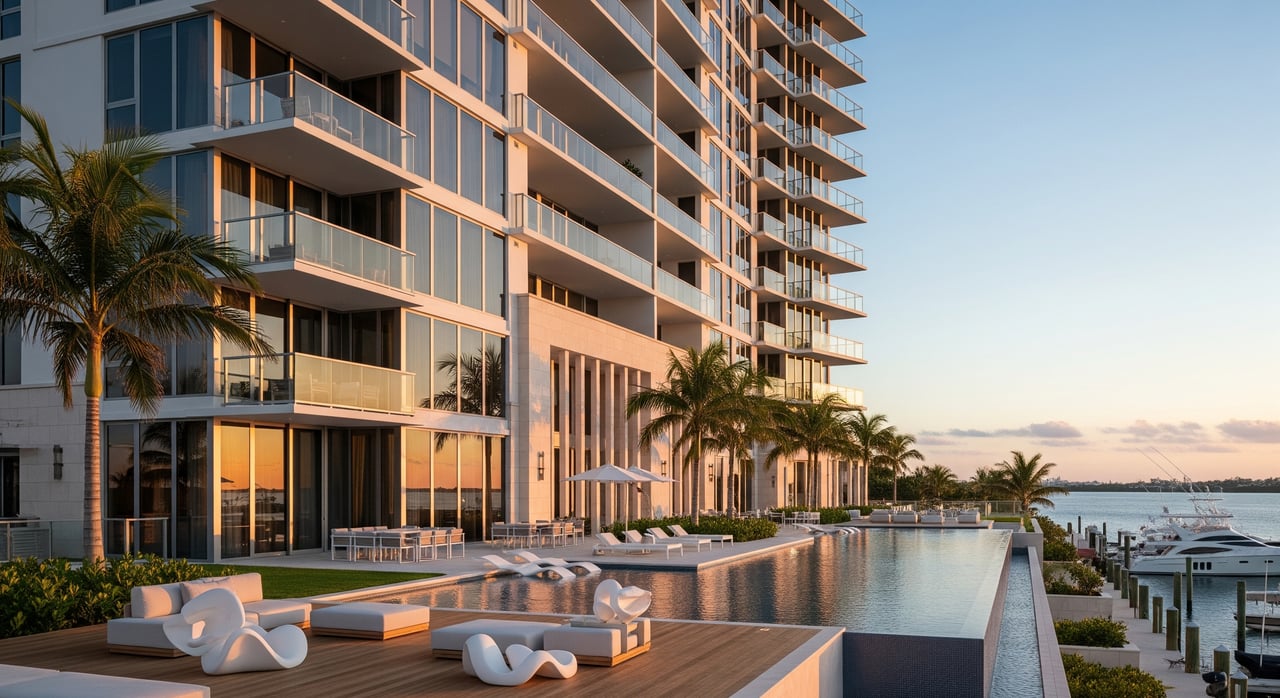
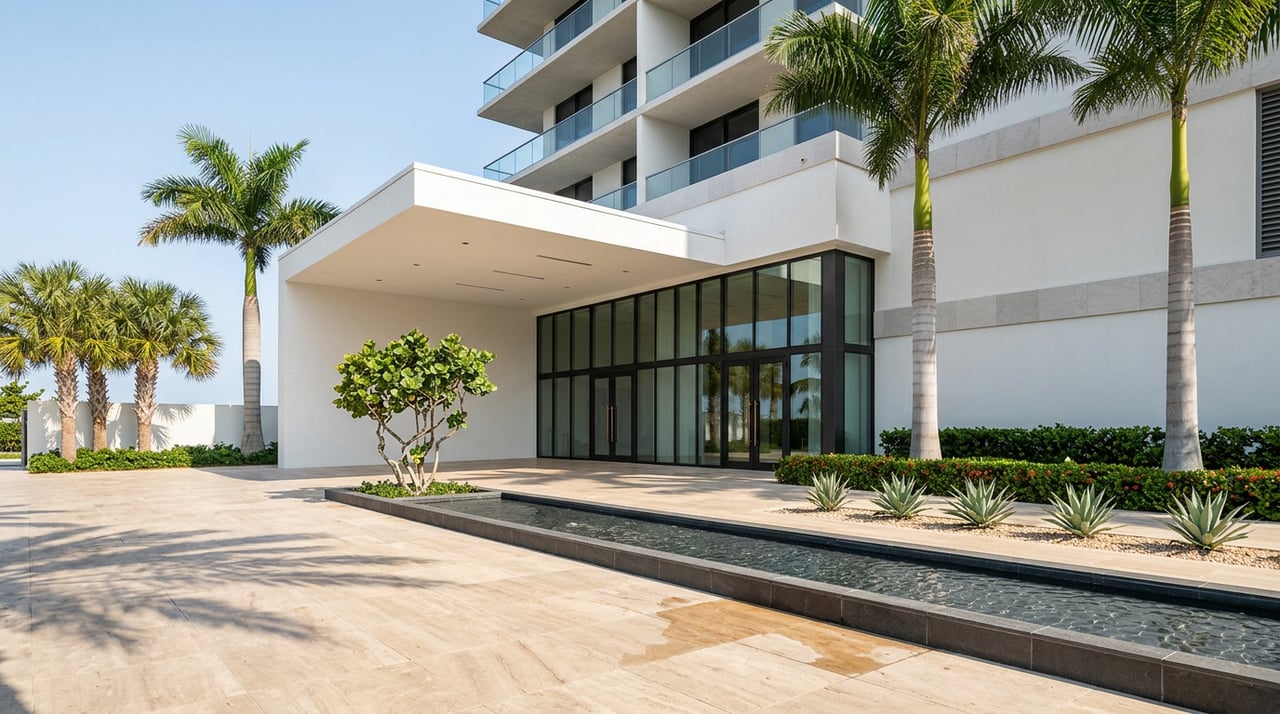
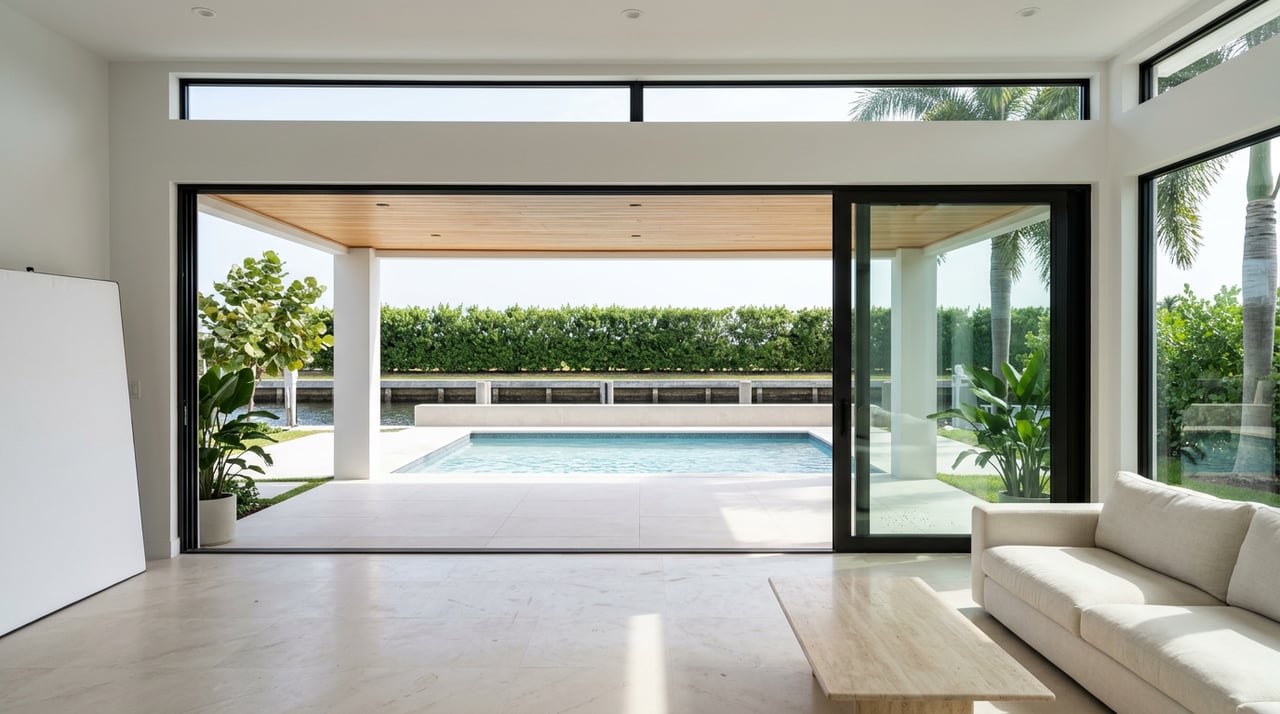
Branded residences are condominiums that carry a luxury brand name and pair private ownership with hotel-level services. You get features like onsite concierge, housekeeping options, spa and pool programs, and consistent design and service standards tied to the brand.
They differ from traditional condos by packaging a lifestyle and service promise. They differ from hotels because you own your residence as real property, often within a condominium structure.
Why Palm Beach County is booming
Palm Beach County attracts domestic and international second-home buyers who value climate, lifestyle, and Florida’s lack of state income tax. Many buyers now want turnkey living with privacy and professional management.
The county sits between Miami’s high-rise scene and the ultra-exclusive feel of the island of Palm Beach. That creates room for branded towers, resort-style projects, and low-rise developments across West Palm Beach, Boca Raton, and Delray Beach that match different lifestyles.
How the service models work
Residence-only branded condos
- You own a standard condo that follows brand standards and receives brand services. You control occupancy and leasing, subject to HOA rules. The brand often earns licensing and management fees.
Condo-hotel rental pools
- Your unit can be placed into a hotel-managed rental program when you are not using it. Expect defined revenue splits, possible minimum-night rules, and usage restrictions during peak periods.
Fractional or club components
- Some projects mix whole ownership with fractional interests or a private club structure. This can lower entry cost while delivering brand perks. It is less common locally but does appear in select offerings.
Turnkey furniture and service packages
- Many brands offer furniture packages and optional subscription-style services. You may add housekeeping, in-residence dining credits, or maintenance plans for a ready-on-arrival experience.
Contracts and rules to review
- Hotel management agreement: fee structure, performance standards, term, termination rights, and revenue-share formulas for rental programs.
- Brand licensing agreement: brand standards, required capital contributions, design approval rights, and limits on brand liability.
- HOA documents and budgets: staffing levels for 24-7 services, reserve studies, and any planned capital projects.
- Owner use rules: minimum stays, blackout dates, booking windows, and guest registration policies.
- Leasing restrictions: HOA and municipal rules on short-term rentals, minimum stay lengths, and any required participation in a central management program.
Costs and budgeting realities
Price premium and value
- Branded residences often sell at a premium over comparable non-branded condos. The value comes from service delivery, brand cachet, and amenity scale. Premiums vary by brand, view, floor, and market timing. They are not guaranteed over time.
HOA fees and assessments
- Expect higher HOA fees due to hotel-level services, staffing, utilities, F&B, spa operations, and enhanced maintenance. Reserve contributions tend to be robust. Special assessments can occur for building systems or brand refresh projects.
Insurance and taxes
- Coastal insurance costs in Palm Beach County have been rising, and high-end towers may require specialized wind and flood coverage. Review how insurance is allocated in the HOA budget. Property taxes are value-based. Florida has no state income tax, which many second-home buyers value.
Income potential vs flexibility
- Rental programs can offset costs, but net yields are often modest after fees and variable occupancy. Programs may require minimum rental nights or periods in the pool. If maximum leasing flexibility matters, confirm HOA and municipal rules in detail.
Liquidity and closing costs
- Ultra-luxury branded product trades in a smaller market with slower turnover. Plan for longer marketing periods at resale. Closing costs can include developer transfer fees or brand transition charges, so review the offering plan.
Resale drivers and risks
What supports resale value
- Brand strength and relevance. Global names with consistent service delivery generally sustain demand.
- Developer and operator track record. Experienced, well-capitalized teams reduce execution risk.
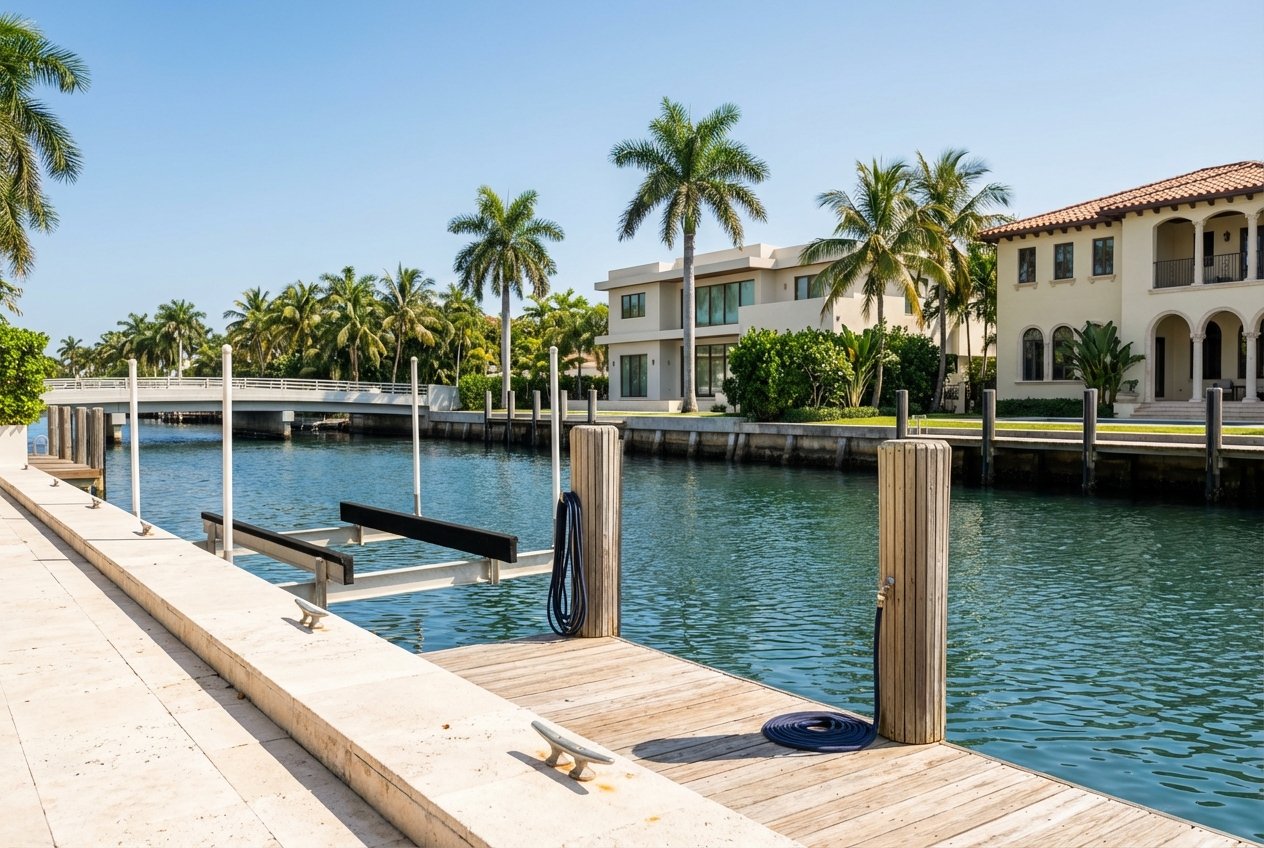
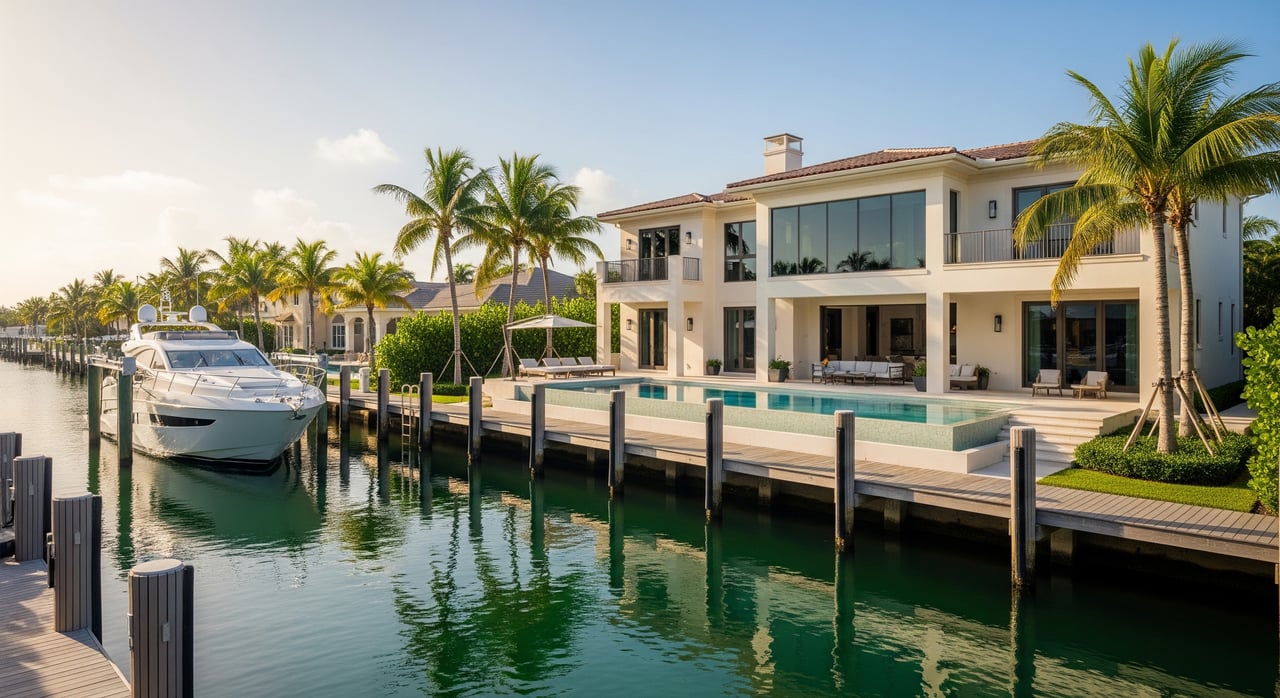
- Location and views. Oceanfront and intracoastal panoramas, walkable access to dining and marinas, and proximity to downtown West Palm Beach or Atlantic Avenue often matter.
- Product quality. Delivered finishes and amenities must match the marketing promise.
- Use flexibility. Reasonable rental rules can broaden the buyer pool, though some end users prefer owner-first buildings.
Risks to watch
- Over-supply and brand dilution from too many similar projects targeting the same buyers.
- Management performance issues that raise HOA costs or weaken service standards.
- Long, complex agreements with refurbishment mandates or fees that affect resale.
- Changes to municipal short-term rental rules that alter income potential.
- Market cycle swings, which can amplify price moves in a niche, high-end segment.
Who these residences fit best
- International second-home buyers who want a turnkey, private, and serviced lifestyle.
- Domestic second-home owners who value lock-and-leave convenience and concierge support.
- Lifestyle buyers who prioritize spa, dining, club access, and predictable quality.
- Select investors comfortable with rental program tradeoffs and variable yields.
Buyers who may be less well-served include cost-sensitive purchasers, those who need unrestricted independent leasing, and anyone seeking maximum short-term liquidity.
Palm Beach County rules and realities
Short-term rental regulations and condominium governance vary by city. Boca Raton, West Palm Beach, Delray Beach, and the coastal towns each set their own zoning and licensing frameworks that can impact rental terms and daily operations.
Coastal construction standards and permitting also affect development timelines and costs. Projects tied to marinas, private club access, golf, and cultural districts such as downtown West Palm Beach, Mizner Park in Boca Raton, or Atlantic Avenue in Delray Beach often align well with second-home use patterns.
A practical due diligence checklist
- Confirm ownership structure and title in the offering plan and condominium documents.
- Review HOA budgets, reserve studies, and any known capital projects or special assessments.
- Examine hotel management and brand licensing agreements for fees, term, performance triggers, and owner protections.
- Analyze rental program details: revenue splits, minimum stays, blackout dates, and booking rights. Request occupancy and ADR context from comparable operations.
- Walk finished model homes and request evidence that delivered units match model quality.
- Verify municipal short-term rental rules with the applicable city and understand how HOA policies layer on top.
- Review insurance allocations for the building and get quotes for your unit and contents.
- Discuss property taxes, transfer costs, and cross-border implications with your accountant if you are a non-resident owner.
- Plan your exit. Ask an experienced local broker about brand perception, buyer demand, and likely marketing timelines for the specific building.
Your next step
Branded residences in Palm Beach County can deliver a rare mix of privacy, service, and convenience, but the details live in the contracts, budgets, and rules. If you want help pressure-testing assumptions, comparing service models, and aligning a building’s operating reality with your lifestyle and financial goals, let’s talk. Start a confidential conversation with SoFloLife at ONE Sotheby’s International Realty.
FAQs
What is a branded residence vs a hotel condo?
- A branded residence is a privately owned condo with a luxury brand’s services and standards, while a hotel condo participates in a hotel rental program with defined usage rules and revenue splits.
Are HOA fees higher in branded buildings in Palm Beach County?
- Typically yes. Hotel-level staffing, spa and F&B programs, and enhanced maintenance raise operating costs, which show up in monthly dues and reserves.
Can I rent my unit short term whenever I want?
- Not always. Municipal codes and HOA documents set minimum stays, registration rules, and rental limits. Review them before you buy.
Do branded residences always resell for more?
- No. Resale premiums depend on brand strength, execution quality, location, and management performance. Poor delivery can erase any premium.
What should I review before committing to a building?
- Focus on the offering plan, HOA budgets and reserves, insurance allocations, management and licensing agreements, and the exact terms of any rental program.