List Smarter In Lauderdale Harbors: Dockage Audit First
December 18, 2025
December 18, 2025
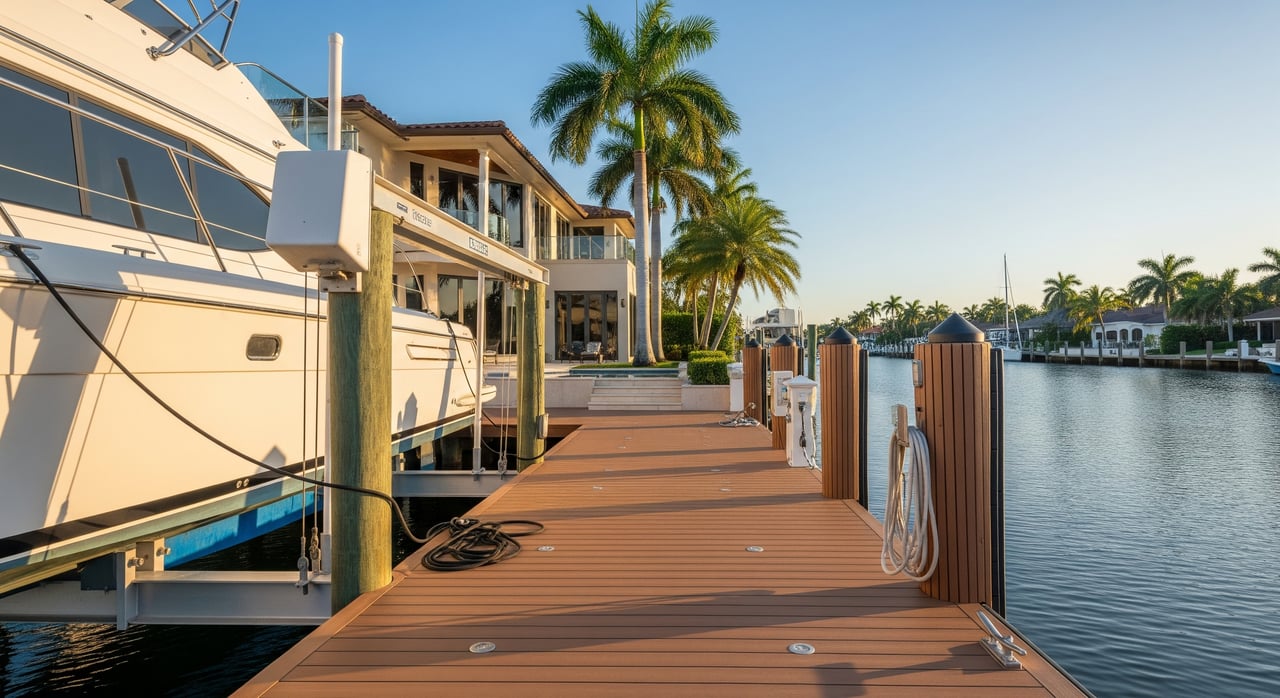
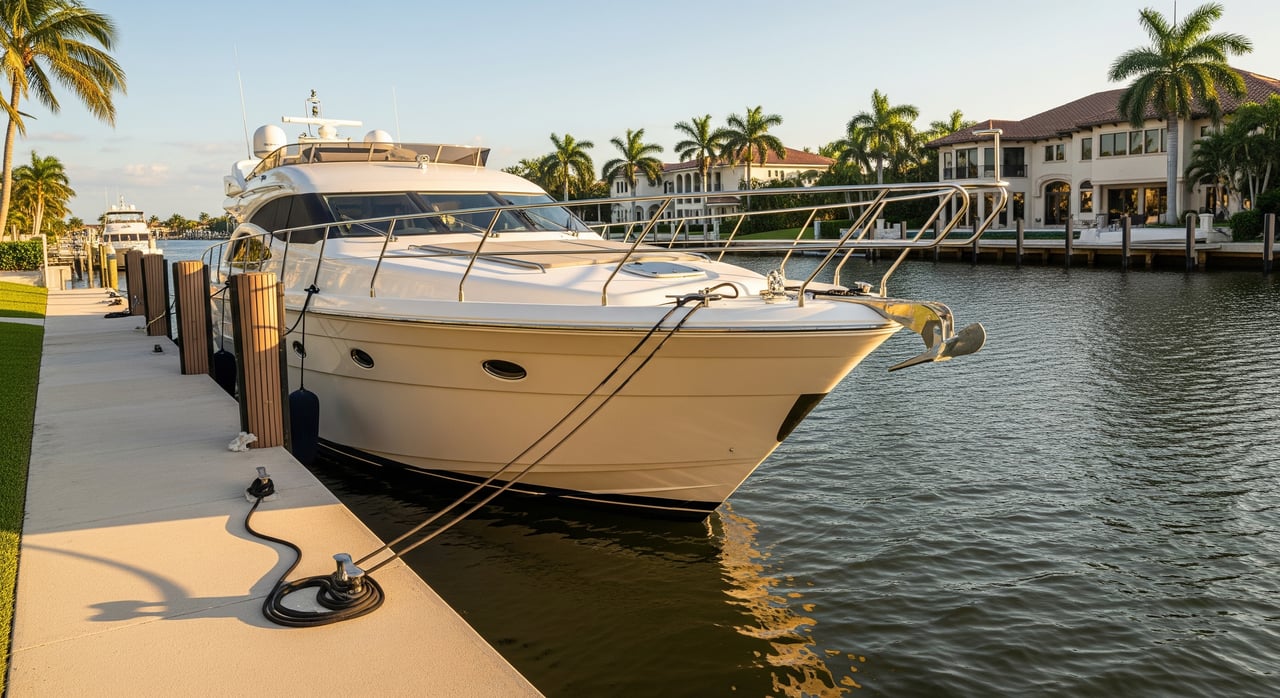
Waterfront buyers in Lauderdale Harbours judge your home by your dock. If your seawall, pilings, depth, and shore power are unclear, you invite delays and negotiations you do not want. You deserve a smoother sale with fewer surprises and stronger offers. In this guide, you will learn why a dockage audit belongs at the top of your pre-listing plan, what it includes, who to hire, and how to present the results to buyers. Let’s dive in.
Lauderdale Harbours sits near the Intracoastal corridor and Port Everglades, where wake, tides, and storm exposure can stress seawalls and docks. Buyers here focus on vessel fit, approach, and safety as much as interior finishes. If dock specs and condition are unknown, buyers assume risk and discount their offers.
A pre-listing dockage audit gives you objective documentation. It validates usable slip dimensions, depth relative to tide, structural condition, and electrical safety. That clarity reduces unknowns, speeds decisions, and supports your asking price.
A credible audit documents the numbers buyers need to judge fit.
The inspection identifies the seawall type and checks for visible distress. Expect notes on cracks, spalling, cap deterioration, leaning or displacement, exposed reinforcement, and signs of undermining or scour. Dock elements are checked for loose or corroded fasteners, damaged pilings, decking, fendering, cleats, and ladders.
Safety items are flagged clearly so you can prioritize what matters most to buyers and insurers.
Shore power details matter to yacht buyers. The audit should record pedestal amperage markings, metering, visible corrosion, GFCI protection, and bonding/grounding. A licensed marine electrician typically tests voltage, polarity, and leakage and provides a short test report. Notes on freshwater, lighting, and any fuel or pump-out connections are included.
Strong audits include clear photos with scale, annotated sketches, depth readings with the tide datum and timestamp, and location context. When you present these details upfront, buyers can compare your property to their vessel requirements with confidence.
Typical deliverables include a concise summary with pass or fail flags for safety items, detailed photo pages with measurements and depth readings tied to a tide datum, an itemized deficiency list by priority, and permit and next-step recommendations.
Before you list, understand the regulatory landscape in Broward County. Seawall and dock work may require authorization from the Florida Department of Environmental Protection and local county building and environmental divisions. In some cases, the U.S. Army Corps of Engineers may be involved for work in navigable waters.
Environmental protections can affect timing and scope, including seagrass and mangrove considerations, turbidity control, and handling of dredged material. Your audit and contractor consultations should identify potential constraints early so buyers see a clear path forward.
Insurance and flood questions are common. FEMA Flood Insurance Rate Maps determine flood zones and Base Flood Elevation, and some insurers consider seawall and dock condition. Having current documentation and any available elevation certificates helps reduce buyer uncertainty.
Shore power should follow National Electrical Code and American Boat and Yacht Council guidance. A marine electrician’s test results add credibility and help mitigate safety concerns.
Follow a simple, proven sequence to get market-ready.
Common seawall issues include spalling, cap deterioration, tieback corrosion, and undermining at the toe. Docks may show rotten decking, corroded hardware, undersized or damaged pilings, and electrical concerns. The repair vs replace decision depends on extent of damage, age, permitting limits, and expected service life.
Your audit should recommend monitor, repair, or replace for each item and identify the right professional for follow-up. You do not need final bids before you list, but credible estimates and a clear plan help buyers move forward with confidence.
Buyers want to know if their boat will fit, if they can approach safely, and whether the seawall and shore power are sound. A documented audit reduces the unknowns that trigger contingencies or price concessions. By addressing safety items or presenting vetted quotes and a permit path, you shorten negotiation cycles and minimize post-inspection surprises.
Use the audit in your marketing to spotlight real capability, not guesses. Objective specs show you respect buyers’ due diligence and value their time.
Aim for a clean, professional set of documents:
A concise, complete packet signals quality and care, which is exactly what high-intent buyers expect in Lauderdale Harbours.
Ready to list smarter and protect your timeline? Start with a dockage audit, then present your results with clarity. For a confidential discussion about positioning your Lauderdale Harbours property, connect with SoFloLife at ONE Sotheby’s International Realty.
April 23, 2026
April 16, 2026
April 2, 2026
March 24, 2026
March 5, 2026
February 19, 2026
February 5, 2026
January 15, 2026
January 1, 2026

ADDRESS 401 E. Las Olas Blvd Suite 100, Fort Lauderdale, FL, 33325