Why Second‑Home Buyers Are Eyeing St. Lucie County
April 23, 2026
April 23, 2026
Looking for a Florida second home without the price tag and pace of the more crowded coastal markets? St. Lucie County is getting more attention for exactly that reason. If you want beach access, boating, golf, and an easier entry point into coastal ownership, this area offers a compelling mix of lifestyle and value. Let’s take a closer look at why more second-home buyers are putting St. Lucie County on their shortlist.
St. Lucie County sits on Florida’s east coast along the Treasure Coast, about one hour north of West Palm Beach. You can reach it via I-95 or the Florida Turnpike, which makes it practical for buyers who plan to split time between South Florida and a second residence.
Access also helps support the part-time ownership story. According to Visit St. Lucie transportation information, Palm Beach International Airport is under an hour away, while Miami and Fort Lauderdale are typically two to three hours by car. Treasure Coast International Airport also serves general aviation users.
That combination gives you a coastal setting with solid regional connectivity. If your goal is a home that feels like a getaway without being hard to reach, St. Lucie County checks an important box.
For many buyers, the lifestyle is the real reason to look here. St. Lucie County has 21 miles of Atlantic coastline, and nearly half of that is protected as public preservation land. That creates a coastal experience that feels open, scenic, and tied closely to the natural environment.
The county highlights beaches where you can snorkel, boogie board, walk the shore, and enjoy a more laid-back rhythm than some higher-density markets. St. Lucie County’s beach resources also note unique amenities like dog-friendly beach access, lifeguarded beaches, and horseback riding at Frederick Douglass Memorial Park.
Outdoor recreation extends well beyond the sand. The county’s park system spans more than 11,000 acres across 75-plus parks and preserves, and its environmental resources program manages a planned trail system of more than 85 miles. For a second-home buyer, that means your lifestyle options can include beach days, nature trails, and low-key outdoor time all in the same market.
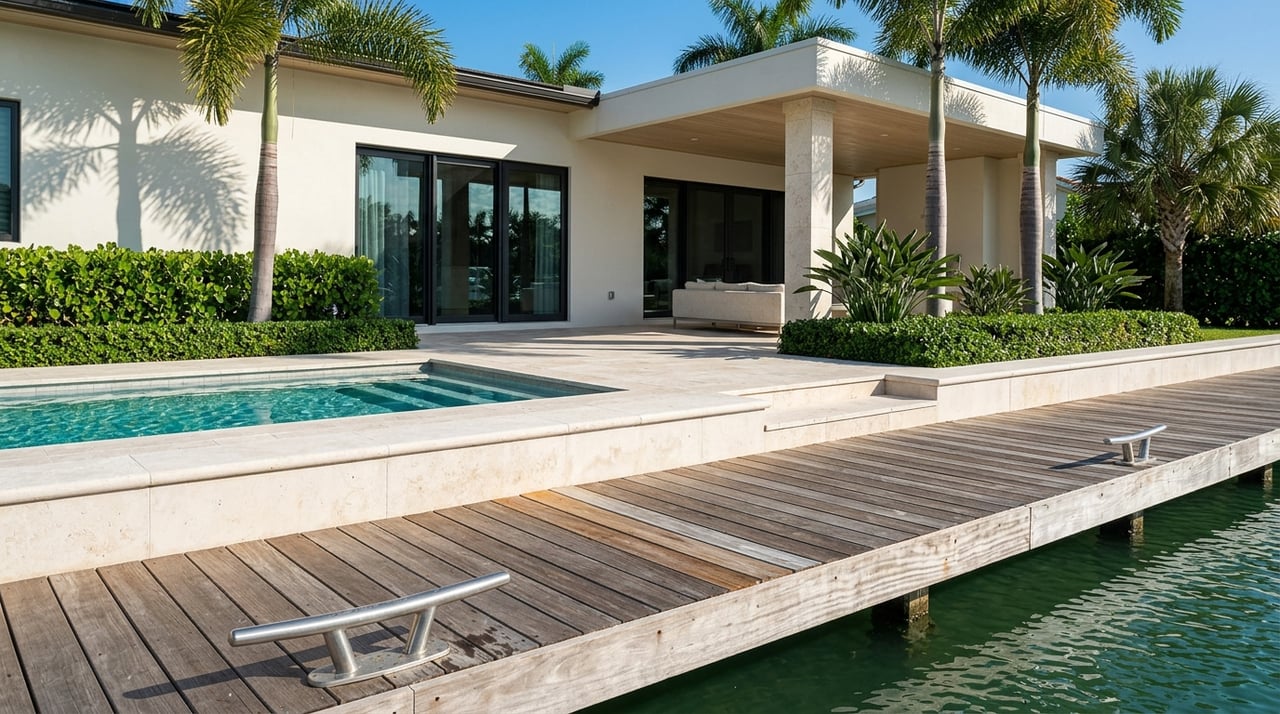
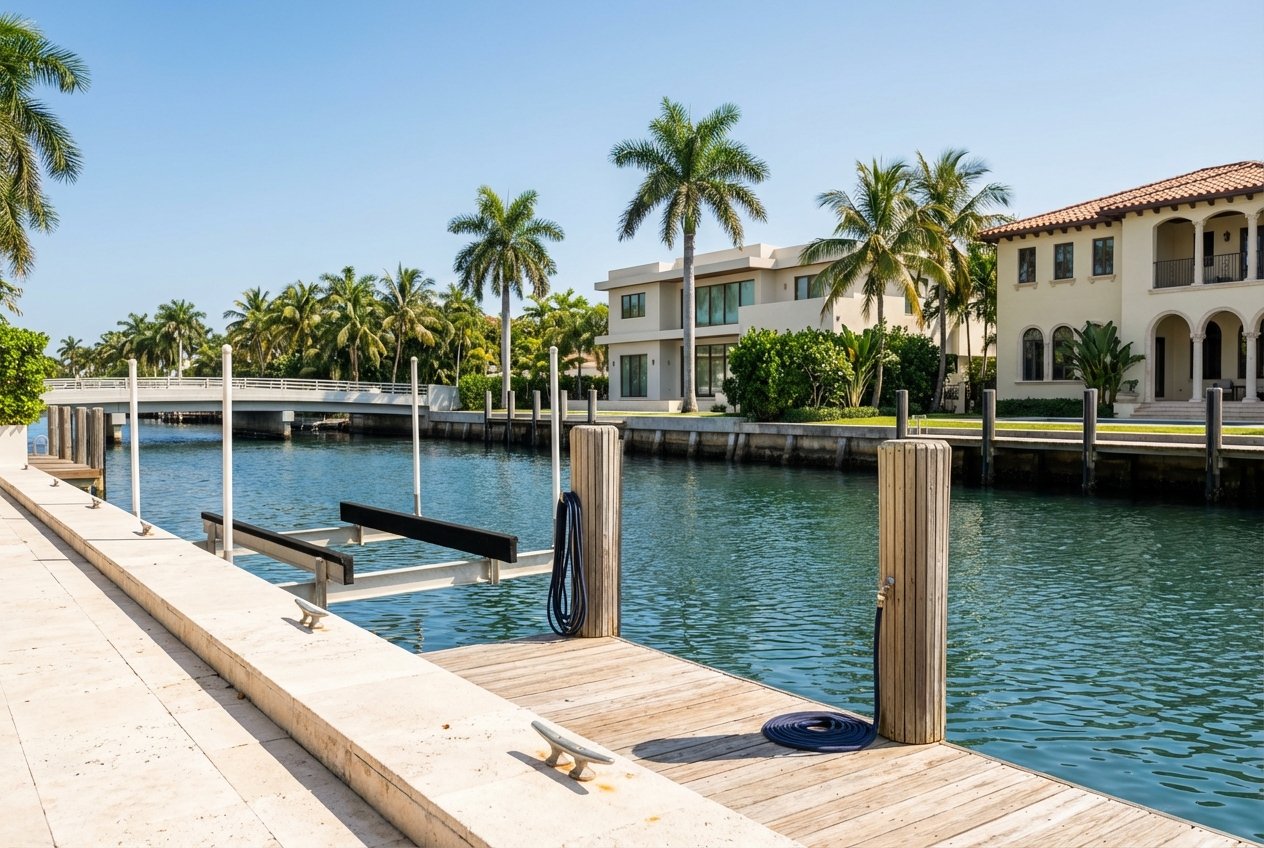
If being near the water matters, St. Lucie County offers more than a beach address. The area is shaped by the Fort Pierce Inlet, the Indian River Lagoon, the St. Lucie River, and the Intracoastal Waterway, all of which support boating, cruising, and fishing. You can explore more through Visit St. Lucie’s boating guide.
This is part of what makes the county attractive for second-home use. The tourism office highlights marinas, free public boat ramps, charter boats, fishing guides, and overnight boat slips, giving you multiple ways to enjoy the water whether you own a boat or not.
Public access is another practical advantage. The county lists multiple launch points and ramps, including River Park Marina, White City Park, Fisherman’s Wharf South Beach Causeway, and Little Mud Creek on its parks and boat access page.
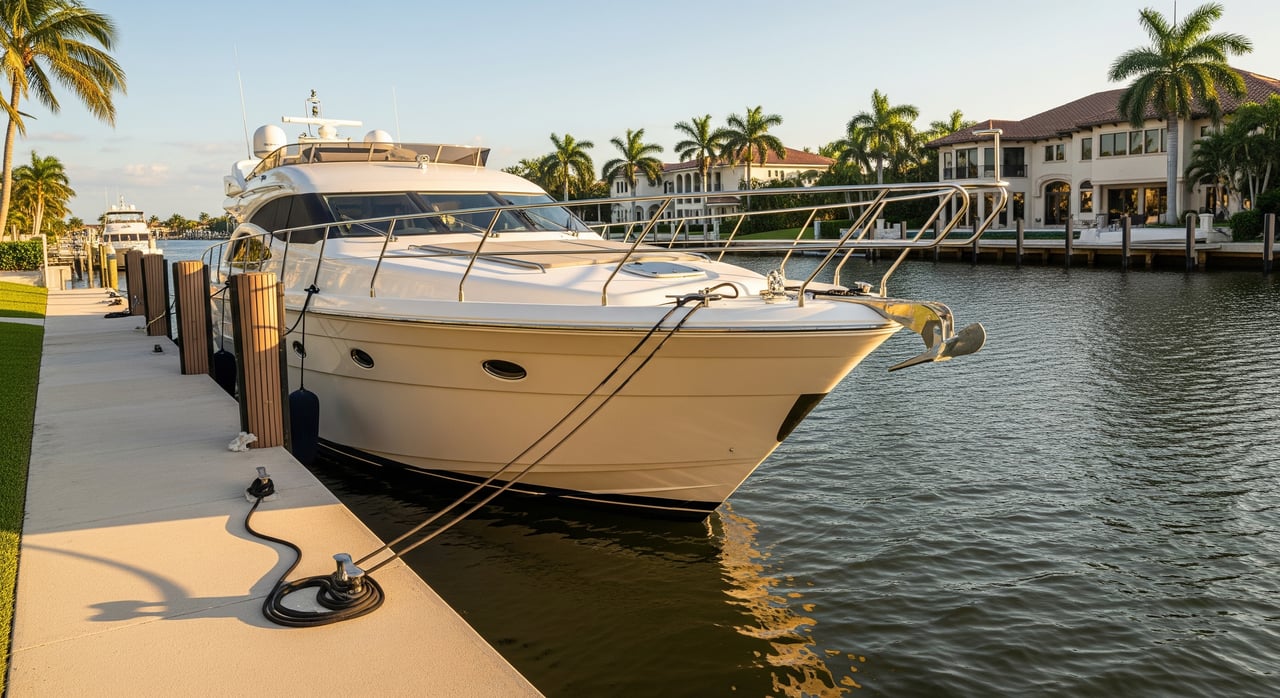
For buyers who want marina access or a boating-oriented routine, Fort Pierce also stands out. The Fort Pierce City Marina offers transient dockage, fuel, free Wi-Fi, fish cleaning, and direct Atlantic access. Florida State Parks also notes that St. Lucie Inlet Preserve State Park is accessible only by boat, which adds to the area’s appeal for owners who want a more water-centered lifestyle.
Beach and boating may get the first look, but golf helps broaden St. Lucie County’s appeal. According to Visit St. Lucie’s land-based recreation overview, the county has more than 20 golf courses, including PGA Village.
That matters if your second home is meant to support a full seasonal lifestyle rather than just a weekend at the beach. The same source also points to courses such as Indian Hills, Gator Trace, Meadowood, The Saints, and Savanna Club, along with the county-owned Fairwinds Golf Course.
For many buyers, variety is a major plus. You are not limited to one defining amenity. Instead, you get a market where golf, parks, trails, boating, and beaches all contribute to the experience of ownership.
Lifestyle may open the door, but pricing often closes the deal. Based on January 2026 single-family market data, St. Lucie County’s median sale price was $389,000, with an average sale price of $424,007.
That compares favorably with several nearby benchmarks. In the same month, Florida’s statewide single-family median was $405,000, while Broward County was $620,000 and Palm Beach County was $700,000. For second-home buyers coming from South Florida core markets, that price gap is hard to ignore.
The numbers also suggest an active market rather than a stagnant one. The same report shows median percent of original list price received at 95.0% and single-family dollar volume at $153.9 million, up 15.0% year over year.
This does not guarantee future appreciation, and it should not be read that way. It does suggest that buyers are active here, and that St. Lucie County is offering a relative-value story that stands out on the east coast of Florida.
Market momentum is often easier to understand when paired with broader demographic context. The latest Census QuickFacts data referenced in local transportation information estimates St. Lucie County’s population at 402,449 in July 2025, up 22.2% from April 2020.
That is a notable increase in a short period. The same profile shows 78.6% of housing units are owner-occupied, and 24.7% of residents are 65 or older. Together, those figures point to a market with a substantial ownership base and a meaningful share of residents who may value part-time or retirement-oriented coastal living.
For second-home buyers, this kind of growth can reinforce confidence that the area is not being overlooked. It is a market that more buyers are clearly discovering.
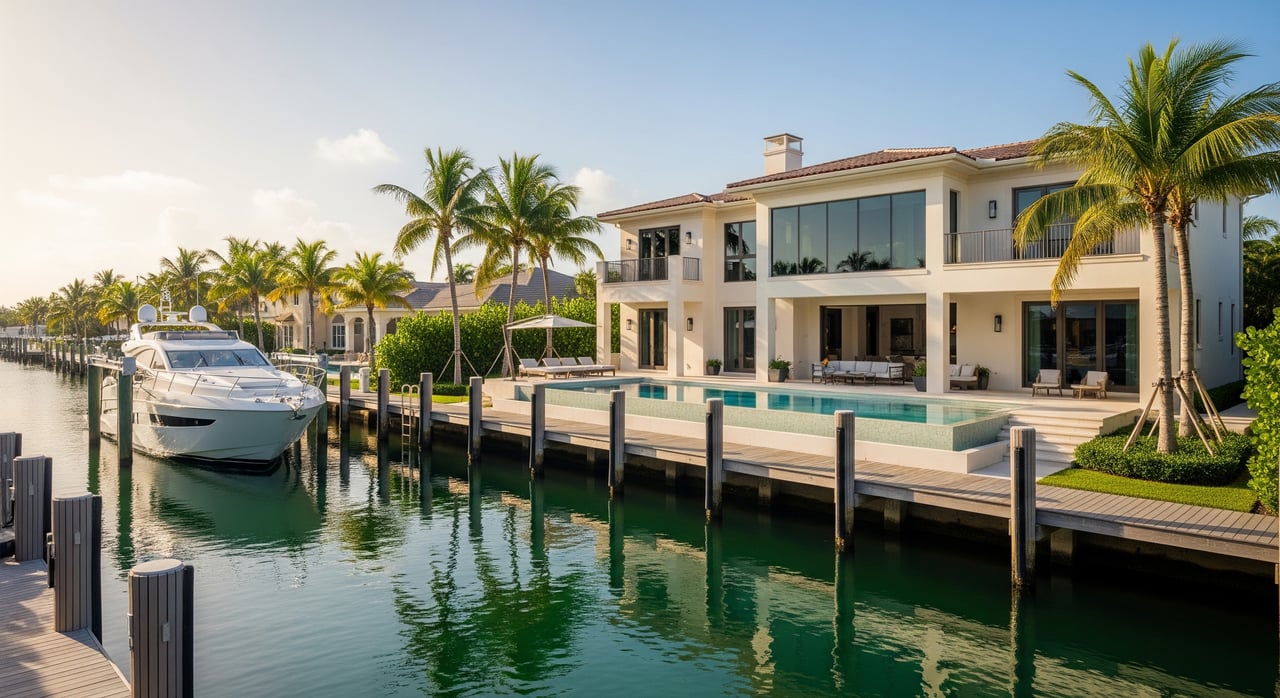
When you match the county’s amenities to buyer goals, a few property types stand out most naturally. Waterfront homes, marina-adjacent residences, golf-oriented properties, and lower-maintenance homes all fit well with the way people tend to use a second home in this area.
That does not mean one option is right for everyone. If you plan to come and go often, ease of access and lock-and-leave convenience may matter more. If you want weekends on the water, proximity to ramps, marinas, and navigable waterways may be a higher priority.
This is where clear guidance matters. A second home is not just about price or square footage. It is about finding the right balance of lifestyle, access, upkeep, and long-term fit.
If you already know Broward or Palm Beach County, St. Lucie County can feel like a different kind of opportunity. You still get Atlantic coastline, boating infrastructure, golf, and outdoor recreation, but often at a lower cost of entry than the major South Florida coastal counties.
For some buyers, that means purchasing a second home sooner. For others, it may mean allocating budget differently, whether toward waterfront access, a newer home, or a property with less maintenance. Either way, the appeal comes down to the same idea: you can still buy into a Florida coastal lifestyle without necessarily paying South Florida core-market pricing.
If you are comparing second-home options along the coast and want a more tailored perspective on lifestyle fit, access, and value, SoFloLife at ONE Sotheby’s International Realty can help you think through the options with a strategic, client-first approach.
April 23, 2026
April 16, 2026
April 2, 2026
March 24, 2026
March 5, 2026
February 19, 2026
February 5, 2026
January 15, 2026
January 1, 2026
ADDRESS 401 E. Las Olas Blvd Suite 100, Fort Lauderdale, FL, 33325